
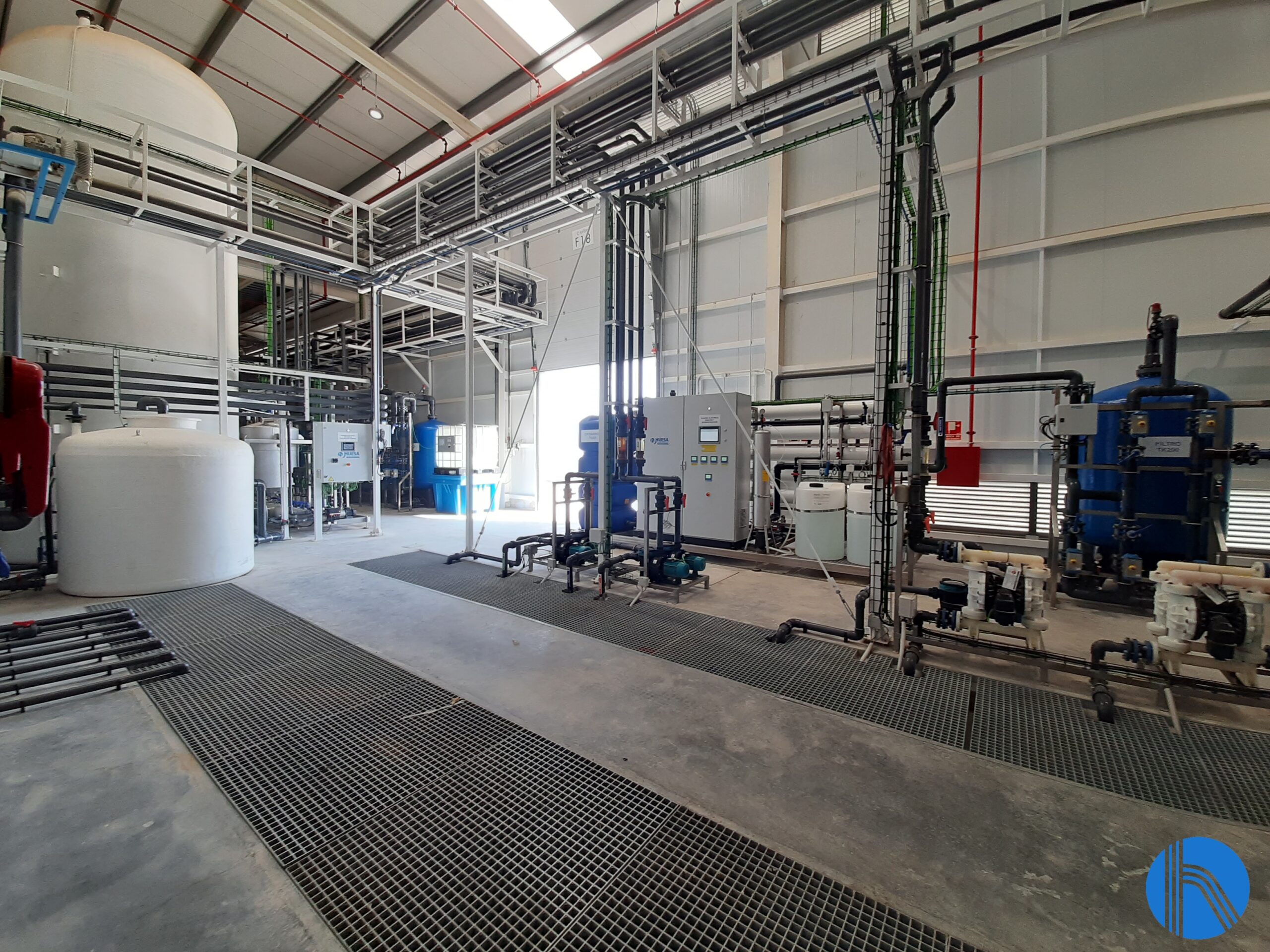
In many industrial plants, a significant share of the water that is abstracted, treated and ultimately discharged could be reused… but remains unidentified.
The growing pressure on water resources, increasing costs associated with supply and discharge, and the progressive tightening of environmental regulations are driving industry to rethink its water management strategies. However, in many facilities, there is still considerable potential for savings and reuse that remains untapped due to the lack of a detailed technical analysis of process water flows.
Industry studies estimate that between 20% and 50% of industrial water consumption can be optimized through properly designed reuse strategies, depending on the type of process and the maturity level of the facility.
Industrial water reuse should no longer be considered solely a sustainability measure, but rather a strategic lever to enhance competitiveness, reduce water dependency, and improve the operational resilience of production facilities.
But how can these opportunities be effectively identified?
The Industrial Water Footprint: Beyond Total Water Consumption
Traditionally, water consumption analysis in industry has been limited to assessing intake and discharge volumes. However, this approach does not reveal the true optimization potential within a facility.
The industrial water footprint should be understood as the combination of consumption, losses, internal reuse, and discharge streams associated with all production and auxiliary processes. Its analysis provides a clear understanding of how water is used, where inefficiencies occur, and which streams may be suitable for recovery or reuse.
In this context, the objective is not necessarily to reuse all available water, but rather to apply the principle of “fit-for-purpose water quality”, assigning each process the minimum water quality required to ensure proper operation.
This approach enables high levels of water circularity without compromising operational safety or final product quality.
How to Identify Reuse Opportunities in Three Steps
Before considering any technological investment, it is essential to follow a structured methodology:
1. Water balance assessment
Identification of all inflows, consumption points, and discharge streams.
2. Analytical characterization of water streams
Evaluation of actual water quality at each stage of the process.
3. Allocation of uses based on quality requirements
Definition of potential reuse applications aligned with process requirements.
This approach transforms a theoretical assessment into technically and economically viable opportunities.
Water Balance: The Key Tool to Uncover Hidden Opportunities
Identifying real reuse opportunities always begins with the development of a detailed water balance for the facility.
This analysis should include:
- Water intake points
- Process water consumption
- Auxiliary consumption
- Discharge streams
- Existing recirculation loops
- Evaporation losses
- System blowdowns
- Future expansion needs
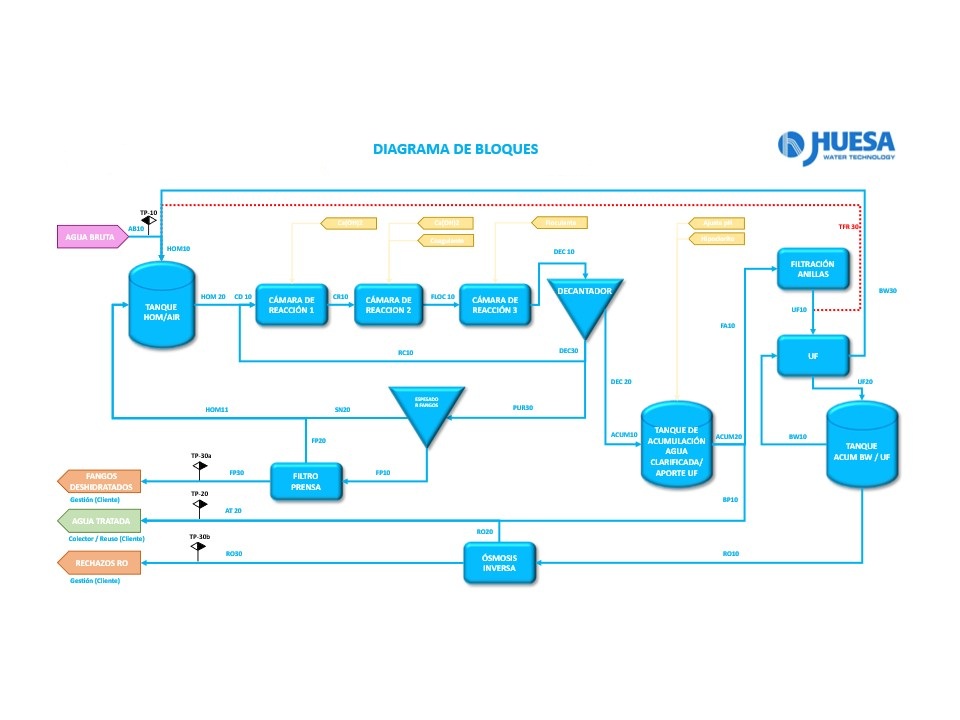
Developing a water balance makes it possible to visualize the complete water cycle within the facility and identify streams that, although traditionally considered waste, can be converted into new resource streams.
Experience in carrying out this type of analysis in industrial environments, including those developed by J. Huesa Water Technology across different sectors, demonstrates that a structured technical approach makes it possible to identify reuse opportunities that are not initially evident in daily plant operations.
In many cases, this analysis reveals situations such as:
- Rinse water suitable for recirculation
- Reverse osmosis reject streams reusable in auxiliary services
- Recoverable condensates
- Partially treatable industrial effluents
- Usable cooling water streams
- Blowdowns with valorization potential
Experience shows that a significant share of reuse potential remains unidentified until a dedicated technical study is performed.
Analytical Characterization: Understanding True Water Quality
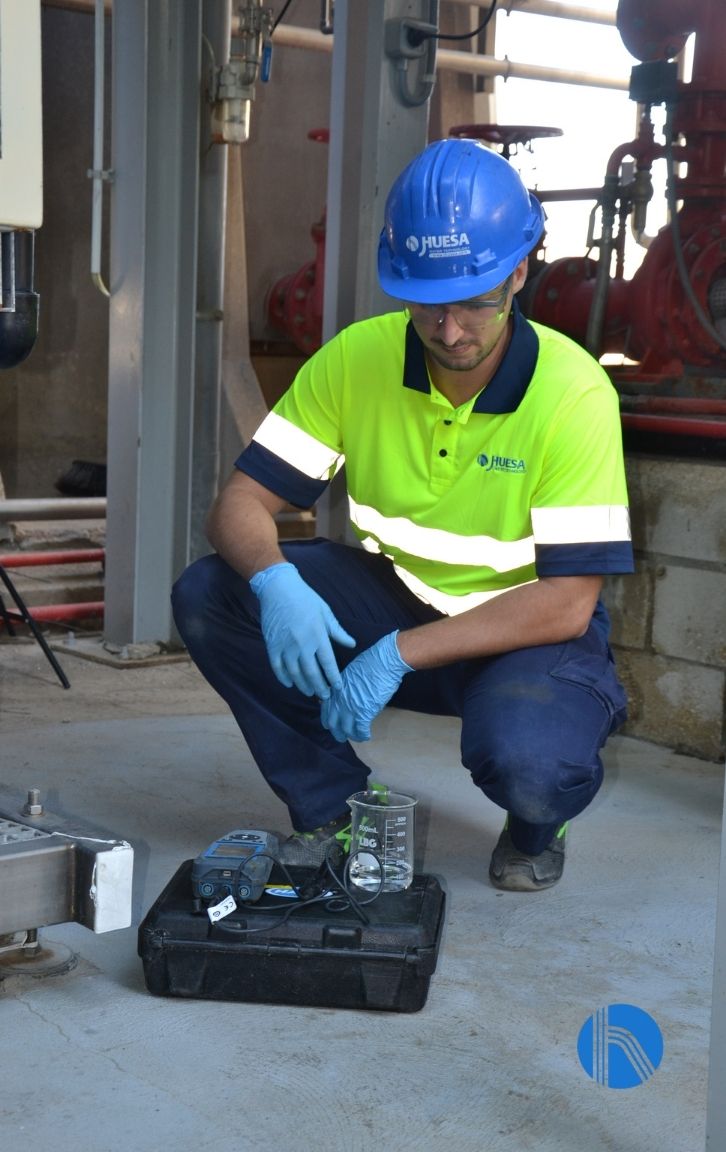
Once process streams have been identified, the next step is a comprehensive physicochemical and biological characterization.
Not all streams have the same limitations or require the same level of treatment for reuse.
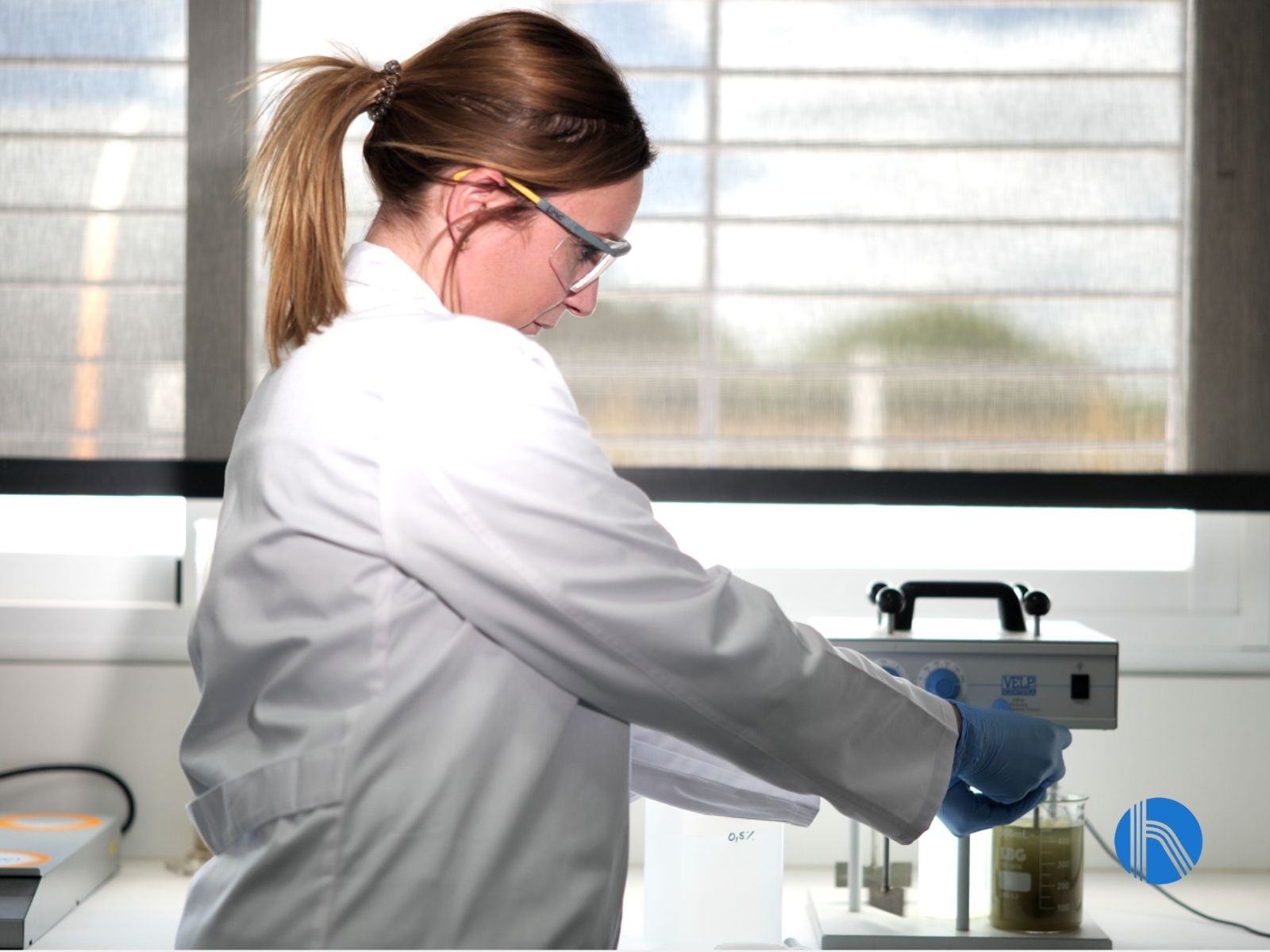
Key parameters typically evaluated include:
- Conductivity: dissolved salts concentration
- Total Suspended Solids (TSS): fouling and abrasion risk
- COD (Chemical Oxygen Demand): total organic load
- BOD (Biochemical Oxygen Demand): biodegradability
- Hardness and alkalinity: scaling potential
- Silica: limiting factor in membrane processes
- Oils and greases: need for pre-treatment
- Nutrients and specific compounds: sector-dependent
Accurate characterization ensures proper technology selection, avoiding overdesign and reducing both CAPEX and OPEX.
Identifying Reuse Opportunities Based on End Use
One of the most common mistakes is to approach reuse from the perspective of available treatment technologies rather than actual process needs.
The first step is to identify potential applications for reclaimed water:
Auxiliary services
- Cooling towers
- Industrial washing
- Fire protection systems
- General cleaning
- Plant utilities
Industrial processes
- Process water
- Boiler feed water
- CIP systems
- Production processes
- Chemical operations
Indirect reuse
- Tertiary treatments
- Feeding auxiliary systems
- Support services
Each application has specific water quality requirements that determine the most efficient technical and economic treatment solution.
Technologies for Industrial Water Reuse
Technology selection must always be based on influent water quality and intended end use.
The most commonly applied technologies include:
- Filtration
- Ultrafiltration (UF)
- Biological treatments and MBR
- Reverse osmosis (RO)
- Electrodeionization (EDI)
- Evaporation and crystallization
In many cases, the optimal solution is not a single technology, but the integration of multiple processes to maximize recovery and minimize operational costs.
Strategic Benefits of Industrial Water Reuse
Implementing water reuse strategies delivers benefits far beyond direct water savings.
Key advantages include:
- Reduction in freshwater consumption
- Lower operational costs
- Reduced discharge volumes
- Decreased dependence on external resources
- Increased water resilience
- Reduced environmental footprint
- Regulatory compliance
- Enhanced industrial competitiveness
- Strengthened ESG strategies
In a context of growing water uncertainty, many industries are incorporating reuse as a key element to ensure operational continuity and mitigate future risks.
Conclusions
Industrial water reuse does not begin with the installation of a membrane system, a biological reactor, or an evaporator. It starts much earlier: with a deep understanding of how water flows within an industrial facility.
Identifying real reuse opportunities requires a comprehensive technical analysis combining water balances, analytical characterization, process knowledge, and technological expertise.
In a scenario defined by water scarcity, regulatory pressure, and the need to improve operational efficiency, uncovering the hidden water footprint of a facility can become a key factor in ensuring the competitiveness and sustainability of future industry.
Identifying these opportunities is not a theoretical exercise but a technical process requiring expertise, methodology, and in-depth process knowledge. Working with a specialized partner such as J. Huesa, with experience in process analysis and water reuse solutions, enables the transformation of analysis into measurable and sustainable results over time.