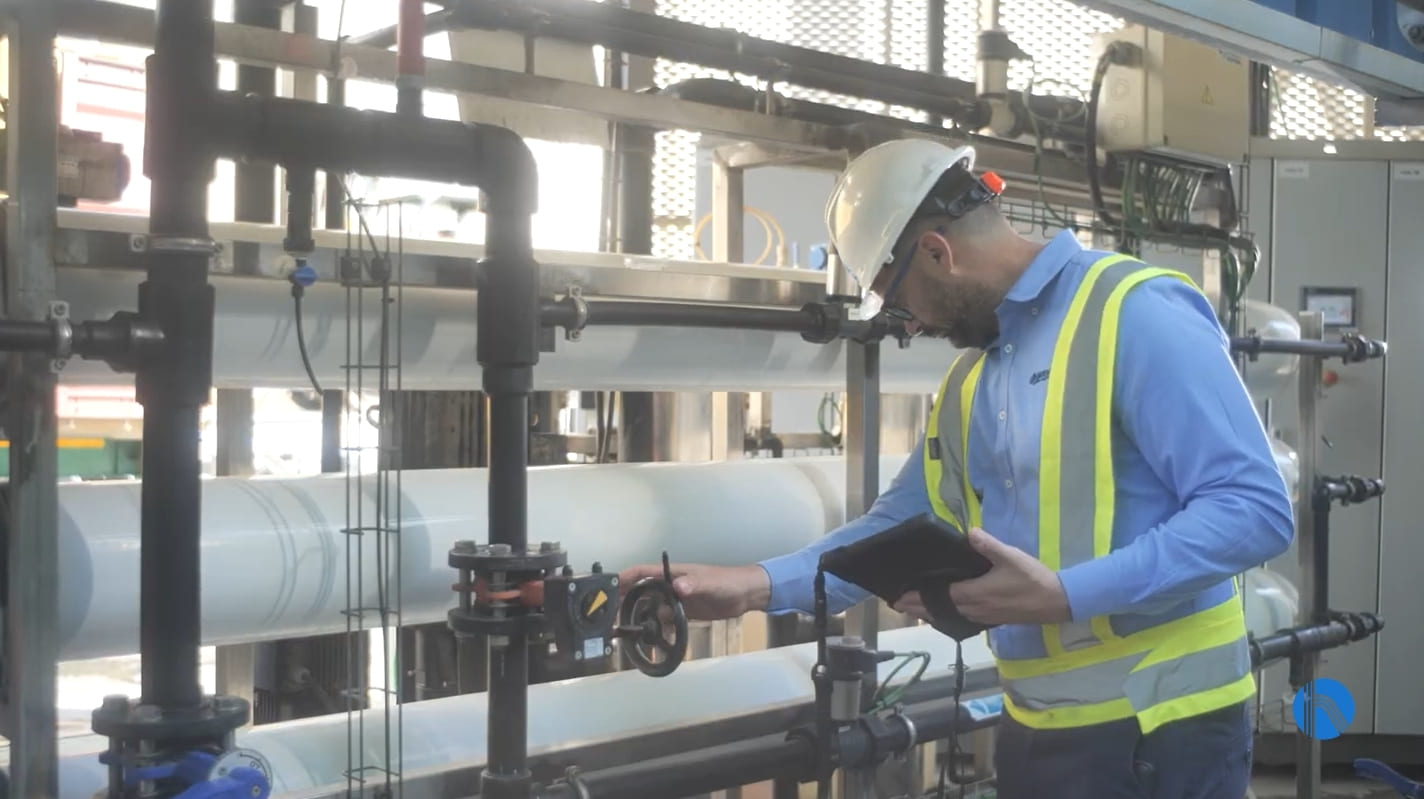
Designing, manufacturing and commissioning a water treatment plant is only part of the challenge. Ensuring that the plant maintains its performance, reliability and efficiency over the years is what truly determines its value to industry.
With more than 55 years of experience across the entire water cycle, J. Huesa supports its clients throughout every stage of their facilities’ lifecycle, from engineering and the manufacture of tailor-made solutions to operation, optimisation and continuous process improvement.
This approach enables us to help industry address one of its greatest challenges: ensuring that water treatment infrastructure continues to deliver maximum operational performance in an increasingly demanding environment.
Water as a Critical Factor for Industrial Continuity
In today’s industrial environment, water is no longer viewed as a secondary utility; it has become a strategic asset for production continuity, process quality and environmental compliance.
A loss of performance in a reverse osmosis system, a deviation in a treatment process or a failure within a wastewater treatment facility can lead to significant operational and economic consequences, including unplanned downtime, increased operating costs, reduced energy efficiency and compliance-related risks.
As a result, an increasing number of companies are seeking to ensure that their water treatment facilities operate in a stable, efficient and reliable manner throughout their service life, minimising risks and maximising their contribution to overall plant performance.
From Reactive Management to Performance-Oriented Management
For decades, water treatment plants have largely been managed through corrective actions. The traditional approach focused on responding to failures, replacing worn components and resolving issues as they arose.
However, today’s industrial requirements demand a different approach. Plant managers need real-time visibility of facility performance, the ability to anticipate deviations, optimise energy and chemical consumption, reduce operational risk and ensure the availability of critical systems. Water management has evolved from a supporting activity into a strategic variable that directly impacts productivity, sustainability and business performance.
This new environment requires the integration of engineering, operations, automation, analytics and maintenance expertise within a single management model capable of supporting an installation throughout its entire lifecycle.
An Integrated Approach to Industrial Water Management
Effective industrial water management can no longer be addressed from a single perspective. Ensuring plant availability requires a coordinated approach covering operations, maintenance, process optimisation, data monitoring and environmental compliance.
At J. Huesa, we understand industrial water management as the integration of four key areas that maximise plant performance throughout the entire lifecycle of water treatment facilities:
- Operational Continuity, ensuring system availability and reliability through operations, maintenance, technical support and critical asset management.
- Operational Intelligence, incorporating monitoring tools, data analysis and performance indicators that facilitate informed decision-making.
- Optimisation and Evolution, driving technical and operational improvements aimed at increasing efficiency, reducing operating costs and adapting facilities to changing requirements.
- Sustainability and Compliance, ensuring process control, environmental management and adaptation to an increasingly demanding regulatory framework.
The combination of these four areas enables water management to be approached from a holistic perspective, aligning plant operational objectives with the real needs of the business.
Experience Where Water Impacts Production
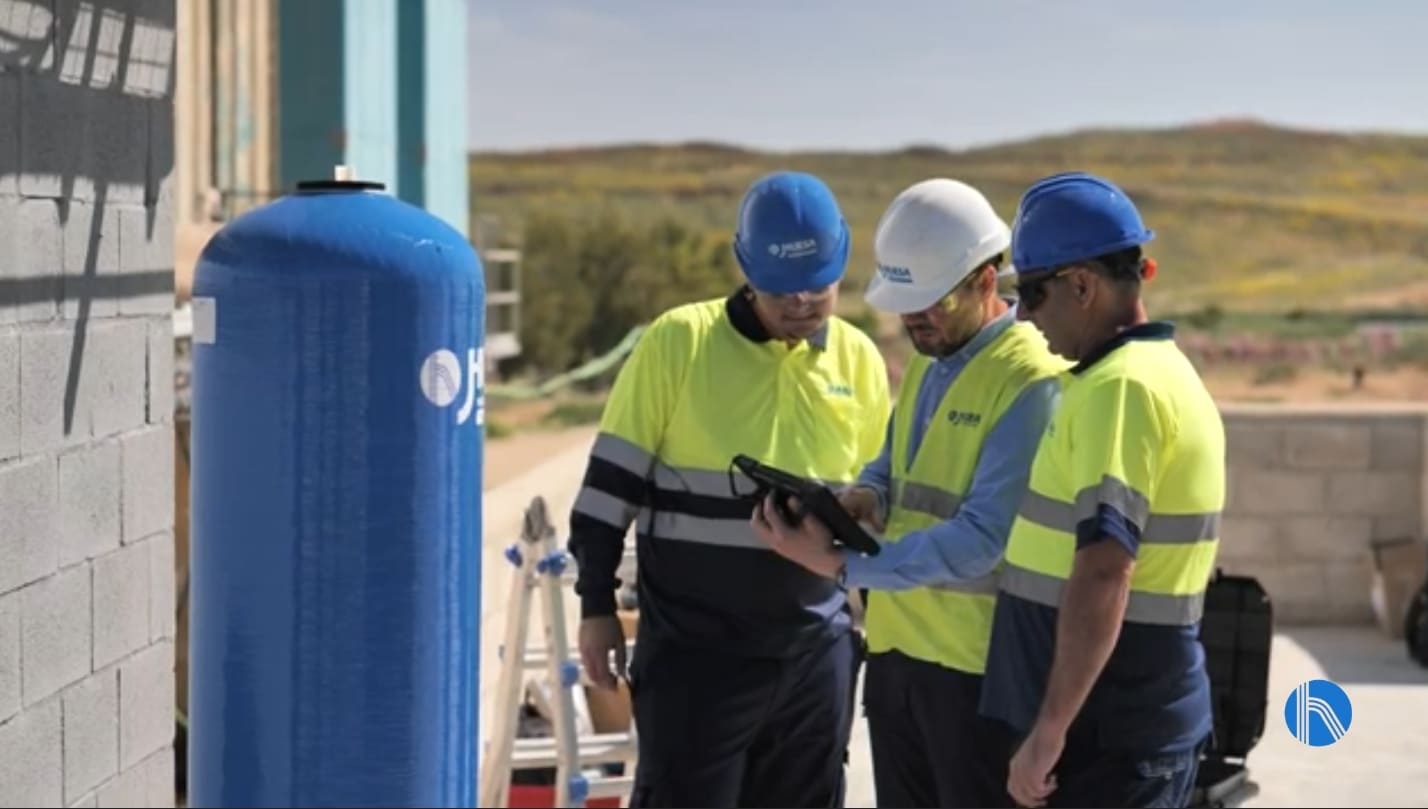
Not all industries face the same water-related challenges. The requirements of a food and beverage facility, pharmaceutical plant, power generation facility or data centre demand specific expertise in processes, operational risks and business objectives.
With more than 55 years of experience, J. Huesa supports industry across applications including process water, drinking water treatment, wastewater treatment, water reuse, boiler water systems and cooling towers, working with technologies ranging from reverse osmosis and physico-chemical treatment to evaporation and Zero Liquid Discharge (ZLD) solutions.
This cross-sector expertise enables us to understand the real needs of each facility and deliver solutions focused on operational continuity, efficiency and process performance.
The Best Incident Is the One That Never Happens
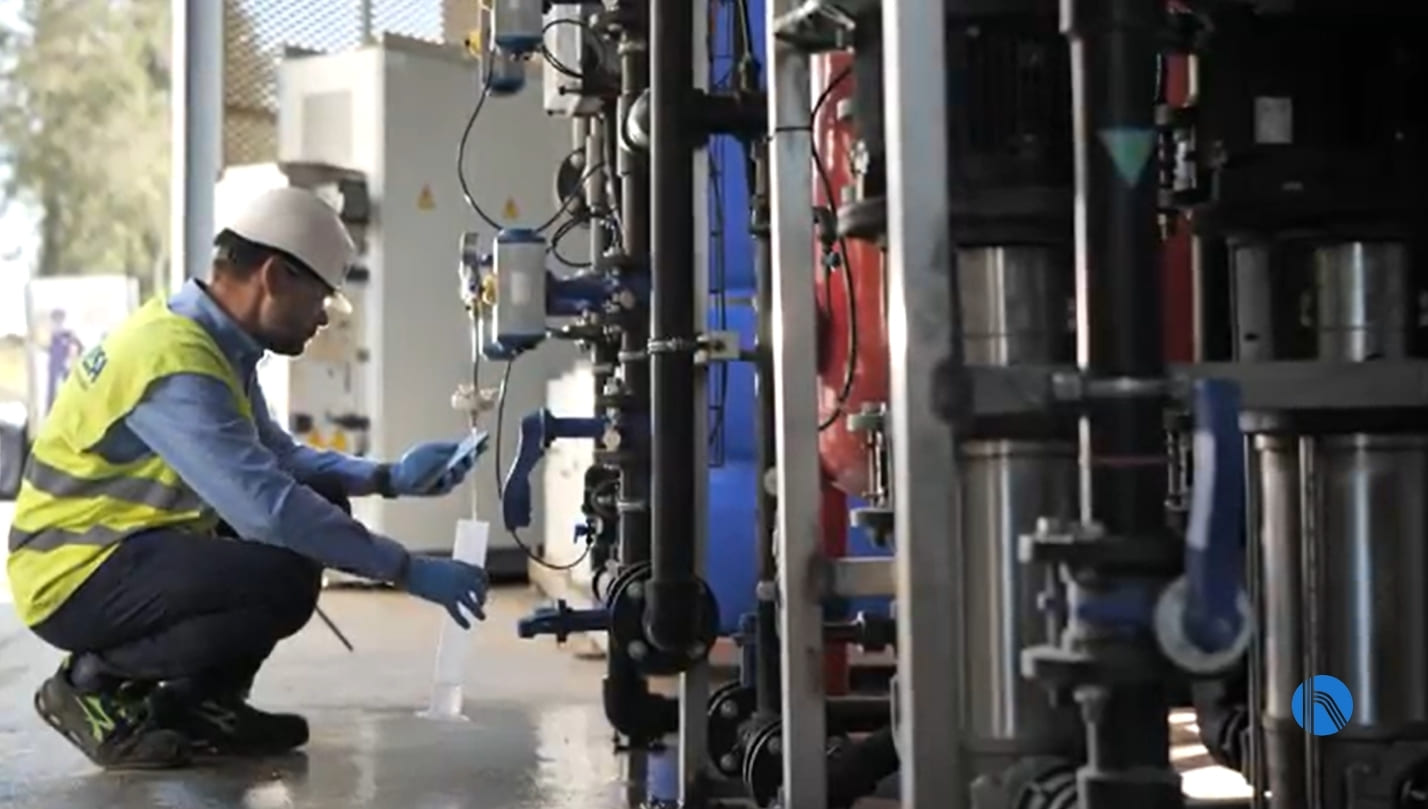
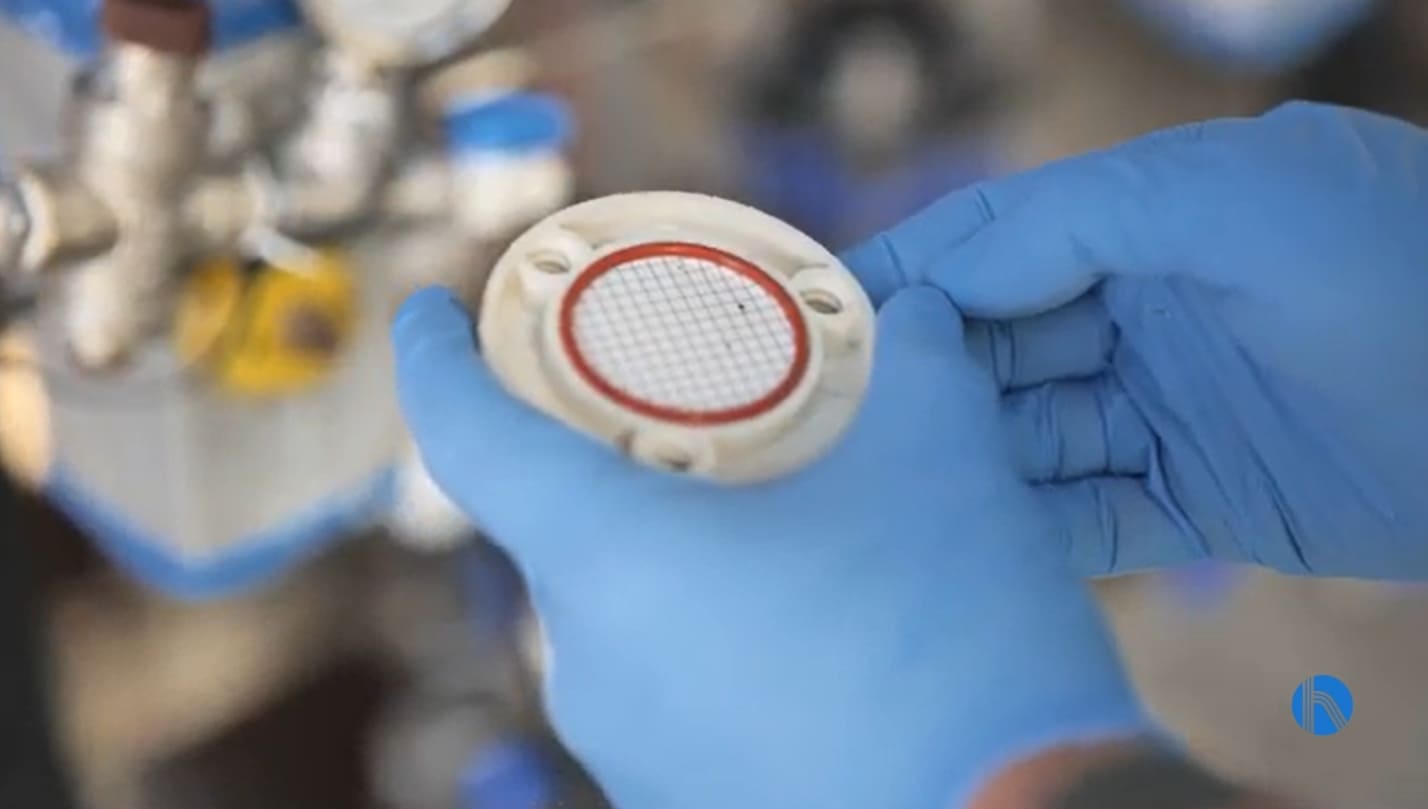
One of the main challenges facing industrial facilities is that many performance losses go unnoticed until they develop into critical issues. Progressive membrane fouling, deviations in chemical dosing, poorly calibrated instrumentation or the lack of an appropriate maintenance strategy can result in increased energy consumption, reduced treated water quality and even unplanned shutdowns.
The difference between reactive management and performance-oriented management lies precisely in the ability to identify these warning signs early and act before they impact production.
For this reason, anticipation has become one of the key competitive factors in modern industry. Anticipation means having the technical knowledge, experience and tools required to make informed decisions at the right time, minimising risks and ensuring process stability.
Anticipation in Practice
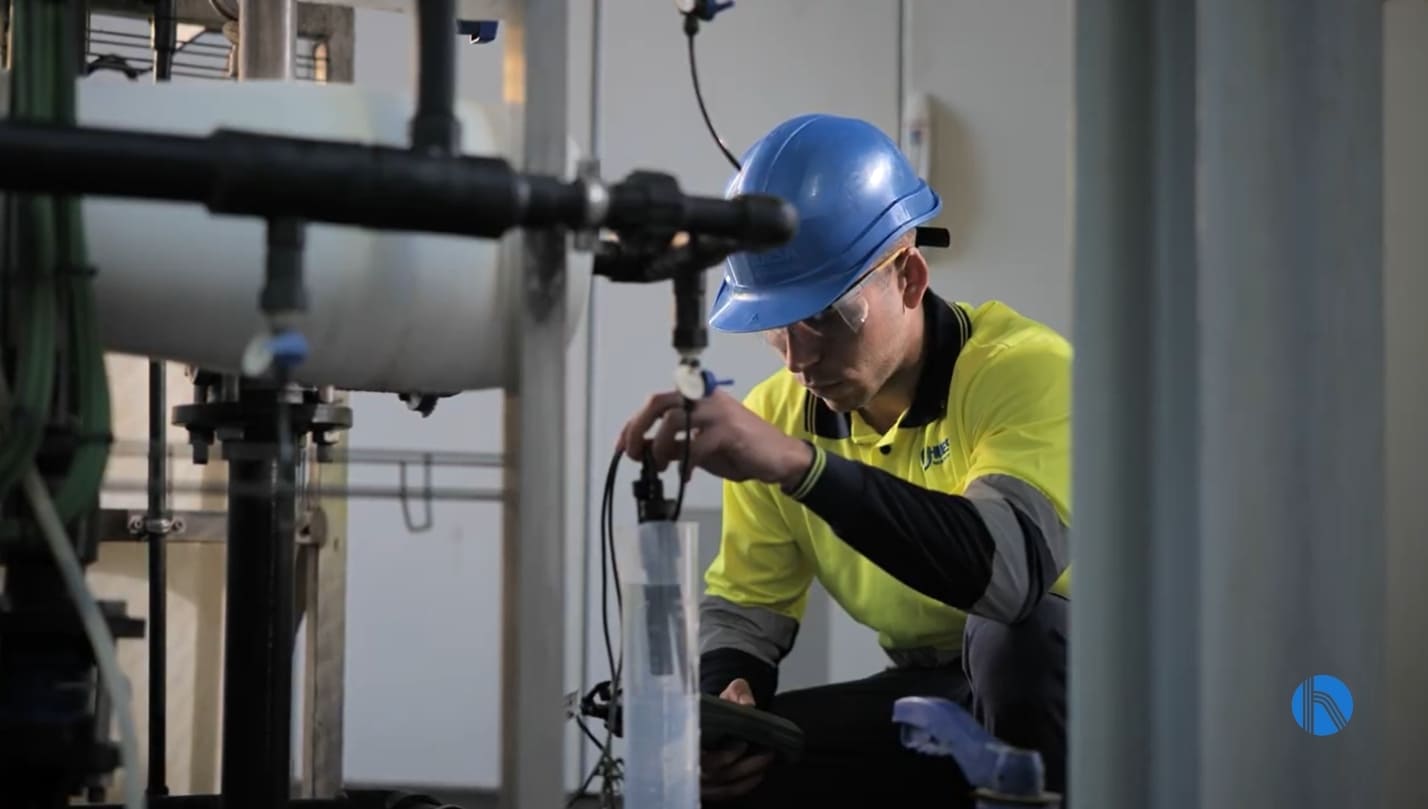
During the operational monitoring of an industrial facility in the food and beverage sector, a gradual reduction in the production capacity of the reverse osmosis system was identified. The data collected enabled the root cause of the deviation to be determined before it affected the plant’s treatment capacity.
The preventive action carried out on the system avoided an estimated 25% reduction in capacity, as well as potential impacts on production and operating costs.
Situations such as this demonstrate how a proactive, anticipation-based approach enables the underlying causes of a problem to be addressed before they become critical operational incidents.
Operational Intelligence: Transforming Data into Decisions
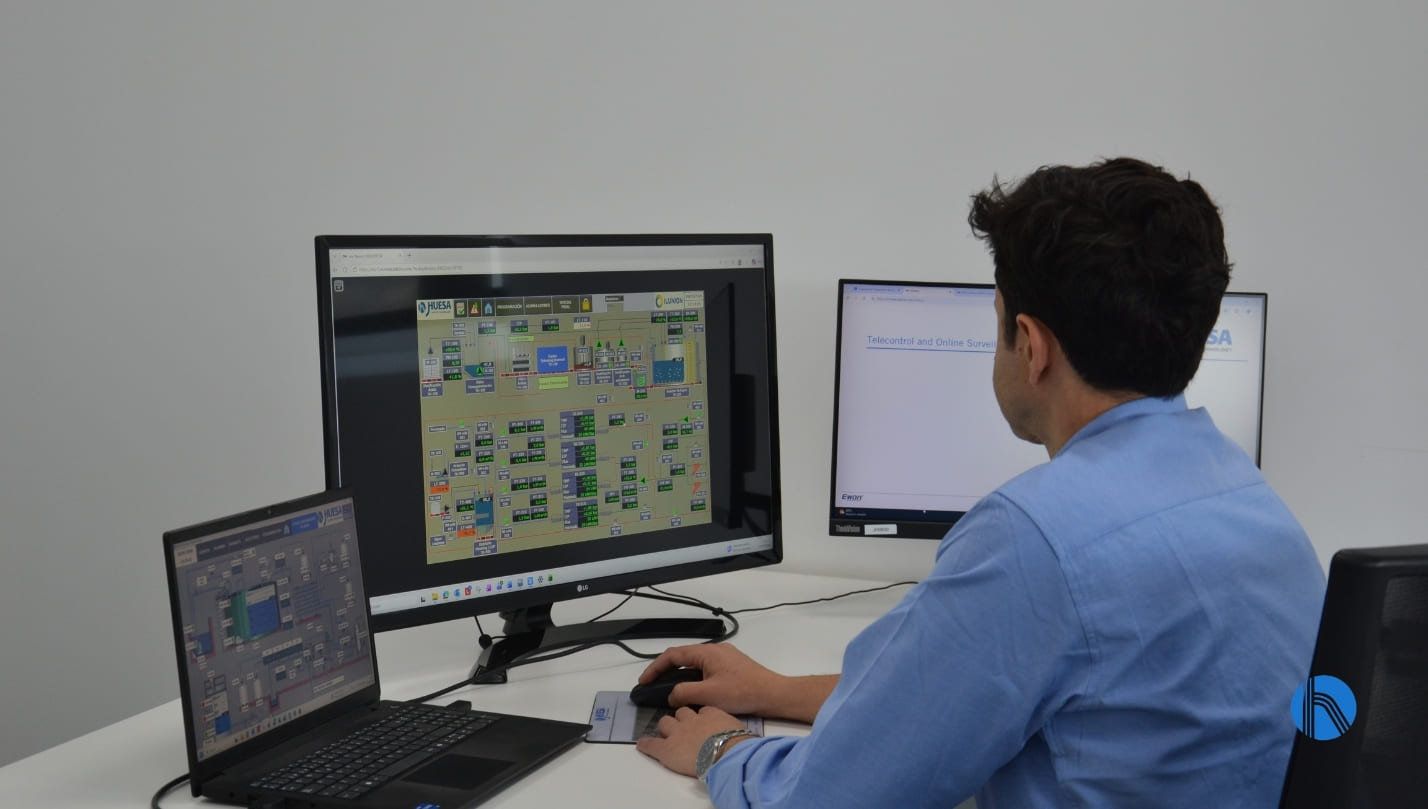
The availability of real-time information has become one of the key drivers for improving the performance of industrial water treatment facilities.
However, having access to data alone is not enough. The real challenge lies in transforming that data into actionable knowledge that enables operators to anticipate incidents, optimise resources and enhance overall plant performance.
Through continuous monitoring and supervision tools, key performance indicators (KPIs), early warning systems and integrated dashboards, it is possible to gain a comprehensive view of plant performance and identify deviations before they impact operations.
This approach enables the transition towards more predictive operating models, improves the responsiveness of operations and maintenance teams, optimises energy and chemical consumption, and strengthens data-driven decision-making.
Because every piece of data generated by a facility can become an opportunity to improve its performance.
Supporting the Entire Lifecycle of the Installation
Industrial facilities are constantly evolving. Production requirements change, new operational challenges emerge, regulatory demands increase, and new opportunities arise to improve efficiency and sustainability.
For this reason, the true value of a water treatment installation is not measured solely by its initial design or performance, but by its ability to continue delivering results year after year.
At J. Huesa, we understand that every installation is a strategic investment for our clients. That is why we provide a support model that integrates engineering, manufacturing, commissioning, technical assistance, optimisation and continuous improvement. More than 55 years of experience, strong technological capabilities and expertise gained across a wide range of industrial sectors enable us to support the evolution of each installation through a comprehensive understanding of the entire water cycle.
Because designing and building a facility is only the beginning.
The real challenge is maintaining its performance throughout its entire operational life.