Water Is No Longer Just a Utility Resource
For many years, industrial companies have regarded water as a readily available resource with relatively stable supply and operating costs. Today, however, the reality is very different.
Rising operating costs, increasing pressure on water resources and the need to enhance sustainability have turned water management into a strategic factor for industrial competitiveness. Optimising water consumption is no longer just about reducing costs; it is also about improving operational resilience and supporting increasingly demanding environmental objectives.
This challenge is further compounded by growing pressure on water availability in many regions, forcing industries to maximise the efficiency of every cubic metre of water used.
Despite this, our audits and industrial projects continue to reveal situations that lead to unnecessary water consumption and limit operational efficiency.
At J. Huesa, we have spent decades working with industries across a wide range of sectors, including food and beverage, chemicals, energy and mining. While every facility has its own specific characteristics, certain recurring patterns are frequently responsible for water consumption levels that are higher than necessary.
These are five of the most common mistakes.
1. Lack of a Detailed Water Balance
A very simple question often reveals a significant issue:
Do we know exactly where every cubic metre of water is consumed within the facility?
Surprisingly, in many cases, the answer is no.
Most facilities know the total volume of water abstracted or purchased, but lack accurate information on how it is distributed across different production processes.
Without a detailed water balance, it is impossible to identify:
- Abnormal consumption patterns.
- Water reuse opportunities.
- Undetected leaks.
- Inefficient processes.
- Priority areas for improvement.
What cannot be measured cannot be optimised.
For example, in food and beverage facilities, significant volumes of water are often associated with cleaning operations that are not individually monitored. Similarly, in certain chemical plants, there can be substantial differences between the areas with the highest actual consumption and those initially considered to be the main priority.
Key to Optimisation
Conducting a detailed analysis of water inputs, internal consumption, reuse streams and discharges provides a clear picture of the facility’s water cycle and represents the first step towards any effective optimisation strategy.
2. Treating All Wastewater as Waste
One of the most costly mistakes is assuming that all water leaving a process must be sent directly for treatment or discharge.
Experience shows that many industries generate water streams with very different characteristics. While some require advanced treatment, others offer significant potential for recovery and reuse.
The problem is that these streams are often mixed together.
When this happens:
- Treatment costs increase.
- Reuse opportunities are lost.
- Discharge volumes rise.
- Valuable resources are wasted.
An increasing number of industries are discovering that a significant proportion of the water they currently discard could be reused within the facility following appropriate treatment.
Such reuse can help reduce both freshwater demand and the costs associated with wastewater discharge and management.
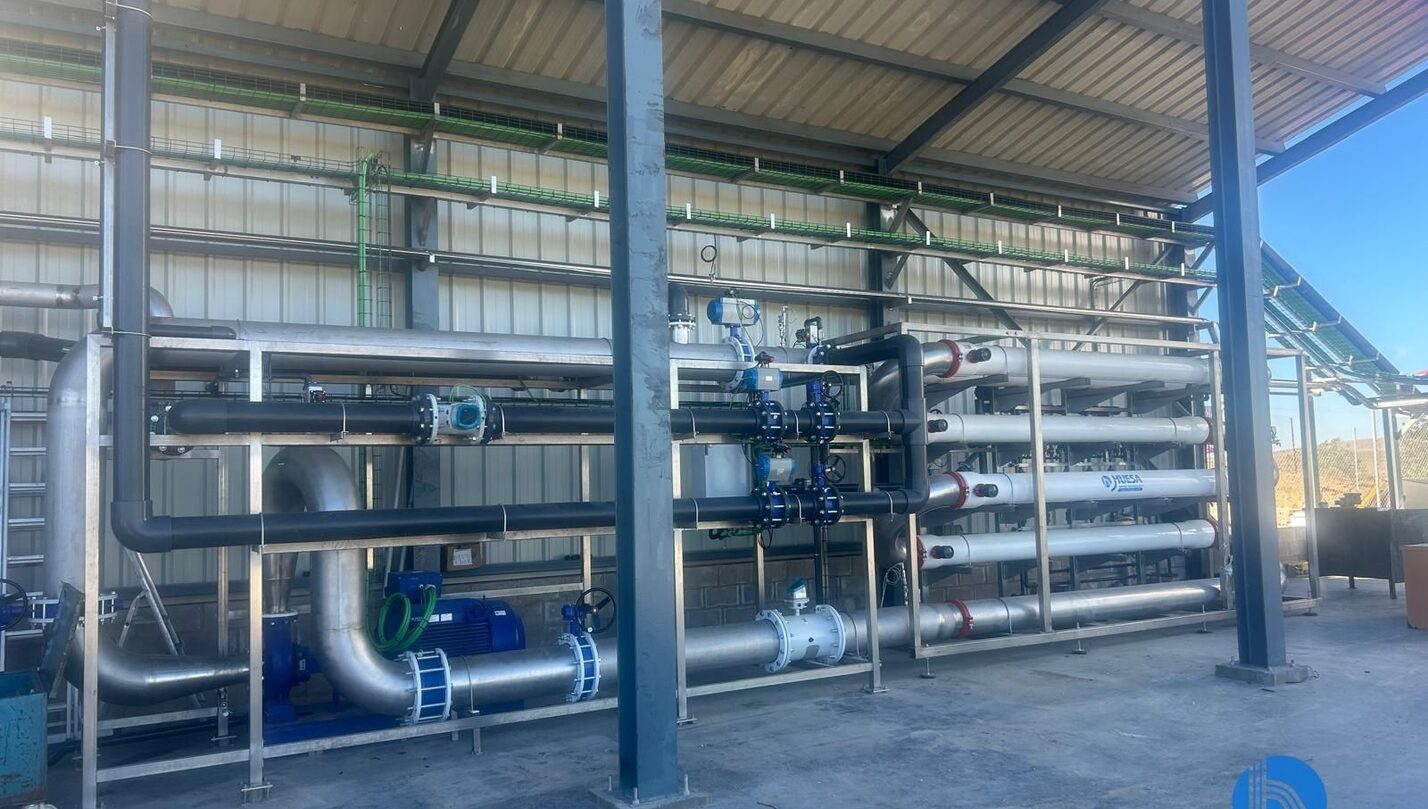
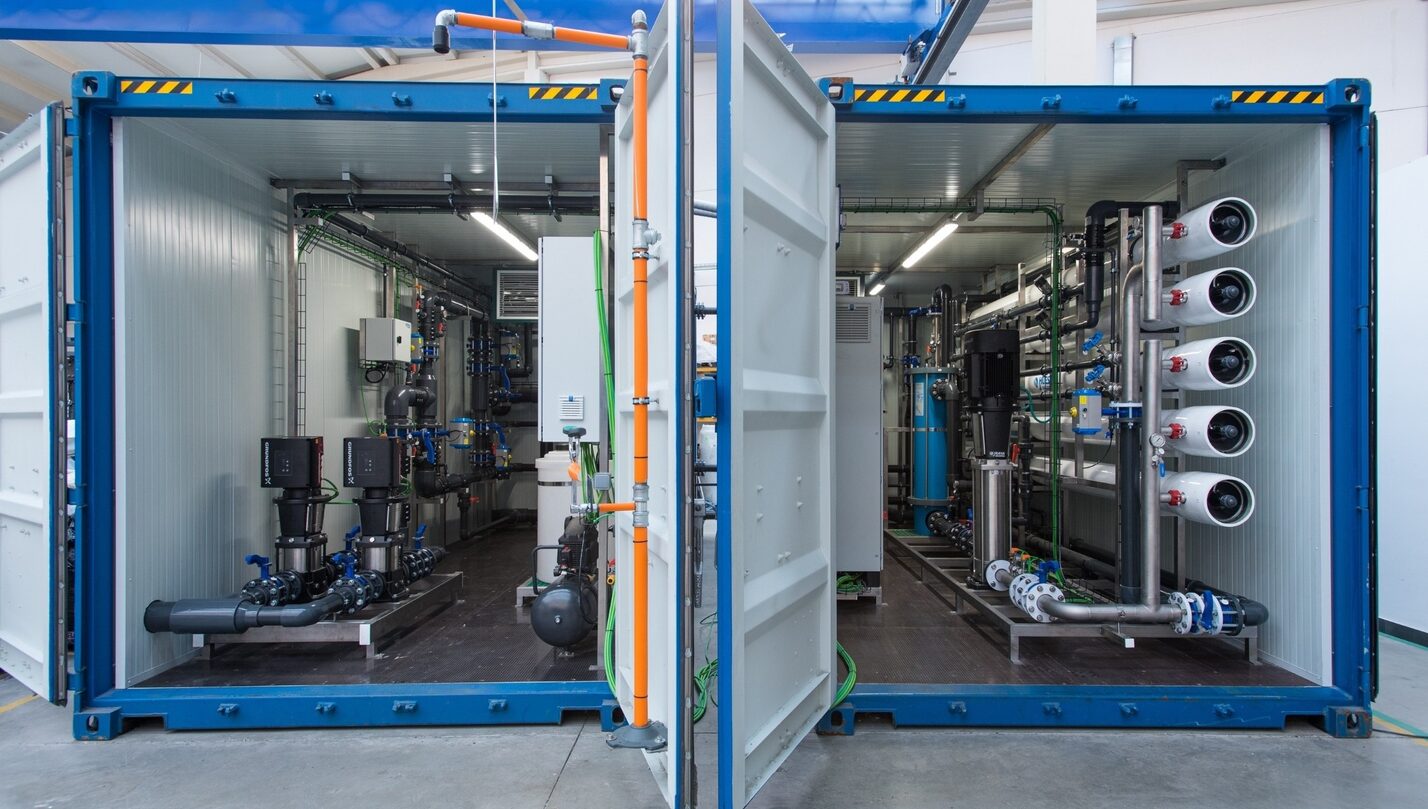
Water reclamation and reuse help reduce freshwater demand, minimise discharge volumes and optimise the costs associated with water resource management.
Key to Optimisation
Analysing individual water streams separately makes it possible to identify reuse opportunities that often remain unnoticed for years.
3. Maintaining Facilities Designed for a Reality That No Longer Exists
Industrial facilities are constantly evolving.
This situation is particularly common in plants that have undergone multiple production expansions. Over time, the original installation may end up operating outside the conditions for which it was designed, affecting both operational efficiency and resource consumption.
Raw materials change, production rates increase, new process lines are introduced and additional quality requirements emerge.
However, water treatment systems frequently continue operating according to design criteria established ten or even fifteen years ago.
The result is often a facility that is no longer operating under optimal conditions.
The consequences may include:
- Unnecessary energy consumption.
- Increased chemical consumption.
- Lower water recovery rates.
- Higher operating costs.
- Limitations on future expansions.
Key to Optimisation
Regularly reviewing the performance of water treatment facilities makes it possible to identify optimisation opportunities that often deliver highly attractive returns.
In many cases, relatively small modifications can generate significant improvements without the need for major capital investment.
4. Making Decisions Without Leveraging Available Data
Industrial digitalisation is providing companies with an ever-increasing volume of operational data.
Today, many facilities are equipped with flow meters, online analysers, conductivity sensors, pressure gauges and advanced monitoring systems. However, the real value lies not in having access to data, but in transforming that data into informed decisions that improve plant performance.
In some facilities, dozens of variables are monitored every day. Yet these data are not always converted into meaningful performance indicators capable of identifying deviations, comparing operational performance or revealing opportunities for improvement.
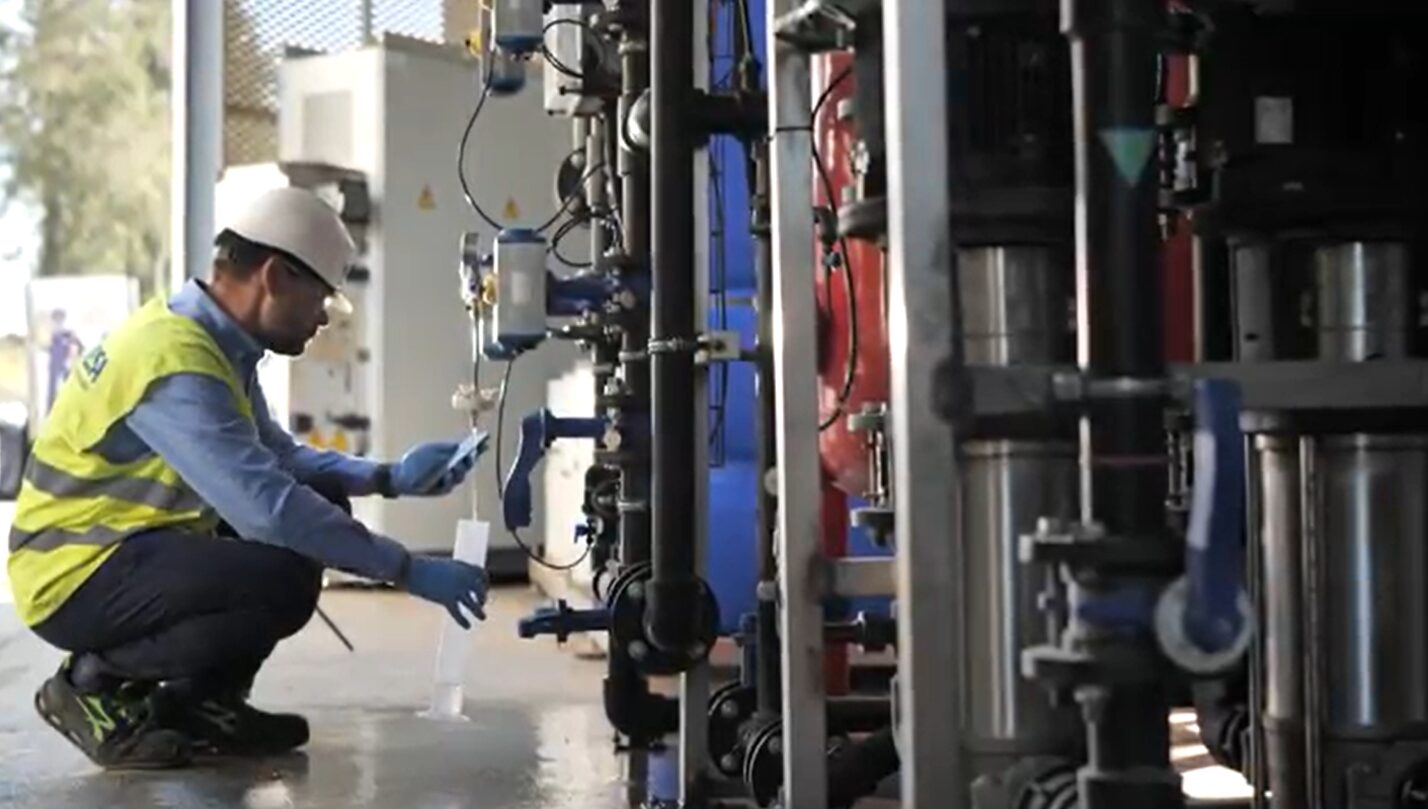
Facility optimisation begins with the collection and analysis of reliable data that help identify opportunities for improvement and anticipate potential operational deviations.
As a result:
- Problems are detected too late.
- Responsiveness is reduced.
- Operating costs increase.
- Opportunities for improvement are missed.
Key to Optimisation
Transforming data into meaningful management indicators makes it possible to identify trends, anticipate issues and continuously optimise plant performance.
5. Viewing Water Management Solely as a Cost
This is arguably the most important mistake of all.
When water is viewed exclusively from a cost perspective, decisions tend to focus on reducing short-term expenditure.
However, leading organisations increasingly recognise water as a strategic resource that directly influences:
- Operational continuity.
- Production capacity.
- Competitiveness.
- Sustainability performance.
- Regulatory compliance.
- Corporate reputation.
Optimising water management is not simply about spending less.
It is about simultaneously improving the operational, environmental and economic performance of industrial facilities.
In industries that depend heavily on water, effective water management can have a direct impact on operational continuity, future growth potential and the ability to adapt to increasing pressure on water availability.
Companies that embrace this approach often uncover opportunities for improvement that go far beyond cost savings, creating sustainable competitive advantages over the long term.
A Question Every Industrial Facility Should Ask
Many organisations invest significant resources in securing new water sources, expanding facilities or increasing treatment capacity.
However, before doing so, it is worth considering a fundamental question:
Are we truly making the most of the water resources already available within our facility?
The answer often reveals opportunities for improvement that have remained hidden.
In many cases, the solution is not to consume more water, but to manage it more effectively.
Does Your Facility Have Room for Improvement?
The following questions can serve as a useful starting point for reflection:
- Do you have an up-to-date water balance?
- Do you know how much water is consumed by each process?
- Have you assessed water reuse opportunities in recent years?
- Do you monitor key consumption and performance indicators?
- Does your current installation adequately meet your production requirements?
If any of these questions are difficult to answer, there may be optimisation opportunities worth exploring.
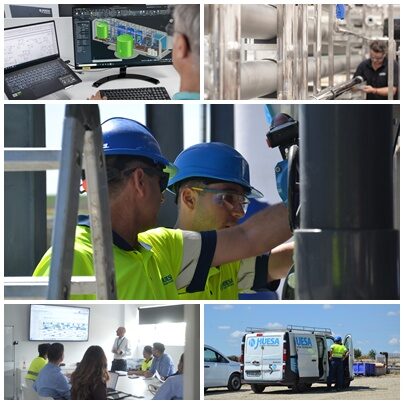
How J. Huesa Contributes to Industrial Water Management
With more than five decades of experience in industrial water treatment and reuse, J. Huesa supports industries in improving the water efficiency of their processes.
The combination of specialised engineering expertise, in-house manufacturing capabilities and extensive experience across multiple industrial sectors enables us to develop solutions tailored to the specific requirements of each client and process.
Efficient water management not only helps reduce costs and resource consumption, but also enhances competitiveness, sustainability and the resilience of industrial operations.